Short answer: horse riding can be ethical, but it depends entirely on the stable you choose. Well-kept horses are in good condition, matched to their riders, worked at a sensible pace and rested in the heat. A few minutes of looking — and a few direct questions — tells you most of what you need to know, whoever you ride with.
Signs of a well-kept stable
- Healthy body condition. Horses shouldn't have hip bones or ribs sharply visible. A healthy horse looks rounded, with a shiny coat.
- No sores or rubbing. Look at the back, the girth area behind the front legs and the corners of the mouth. Saddles and bridles should fit without causing marks.
- Sound movement. A horse that limps, drags a foot or is reluctant to move shouldn't be working.
- Water and shade. Horses waiting between rides should have water and somewhere out of the sun.
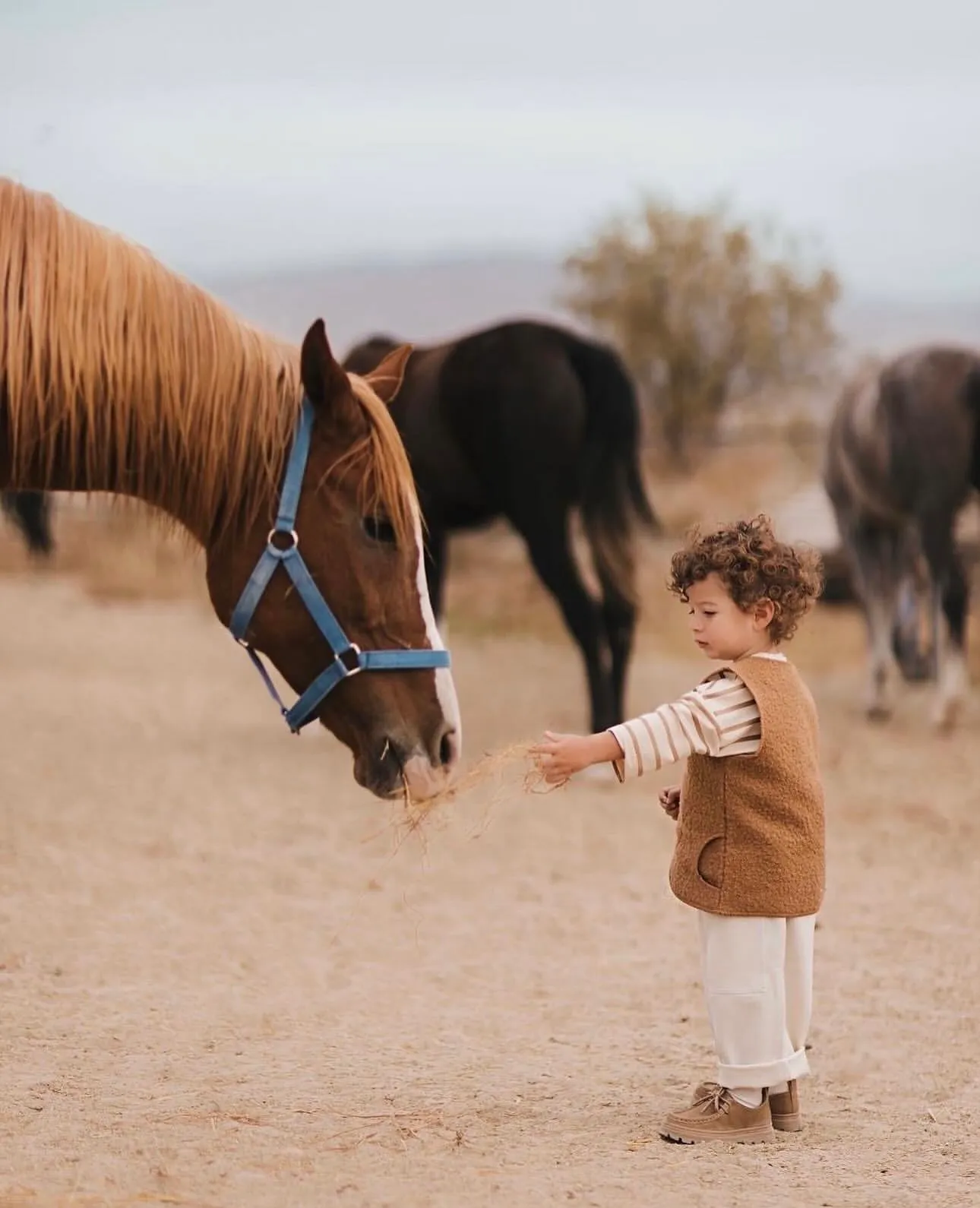
- Calm, relaxed horses. Pinned-back ears, tail-swishing and flinching when people approach can signal stress.
- Guides who know each horse. Good guides match horses to riders by size and experience, not first come, first served.
Red flags
- Galloping groups of complete beginners — it's unsafe for riders and hard on horses.
- Very large groups led by a single guide.
- Horses visibly tired, thin or lame being sent out again.
- Riding through the hottest part of a summer day with no rest — July and August highs average around 31°C.
- No helmets or safety briefing — usually a sign that corners are being cut elsewhere too.
- Prices so low they don't add up. Feeding, farriery and vet care cost money.
Questions to ask any stable
A good stable will answer these without hesitating. Ask them of anyone you're considering — wherever you ride.
- Do you own the horses, or rent them for the season?
- How many rides does each horse do in a day?
- Is there a rider weight limit?
- How do you match horses to riders?
- How many guides ride with each group?
- What happens in the summer heat?
How we work
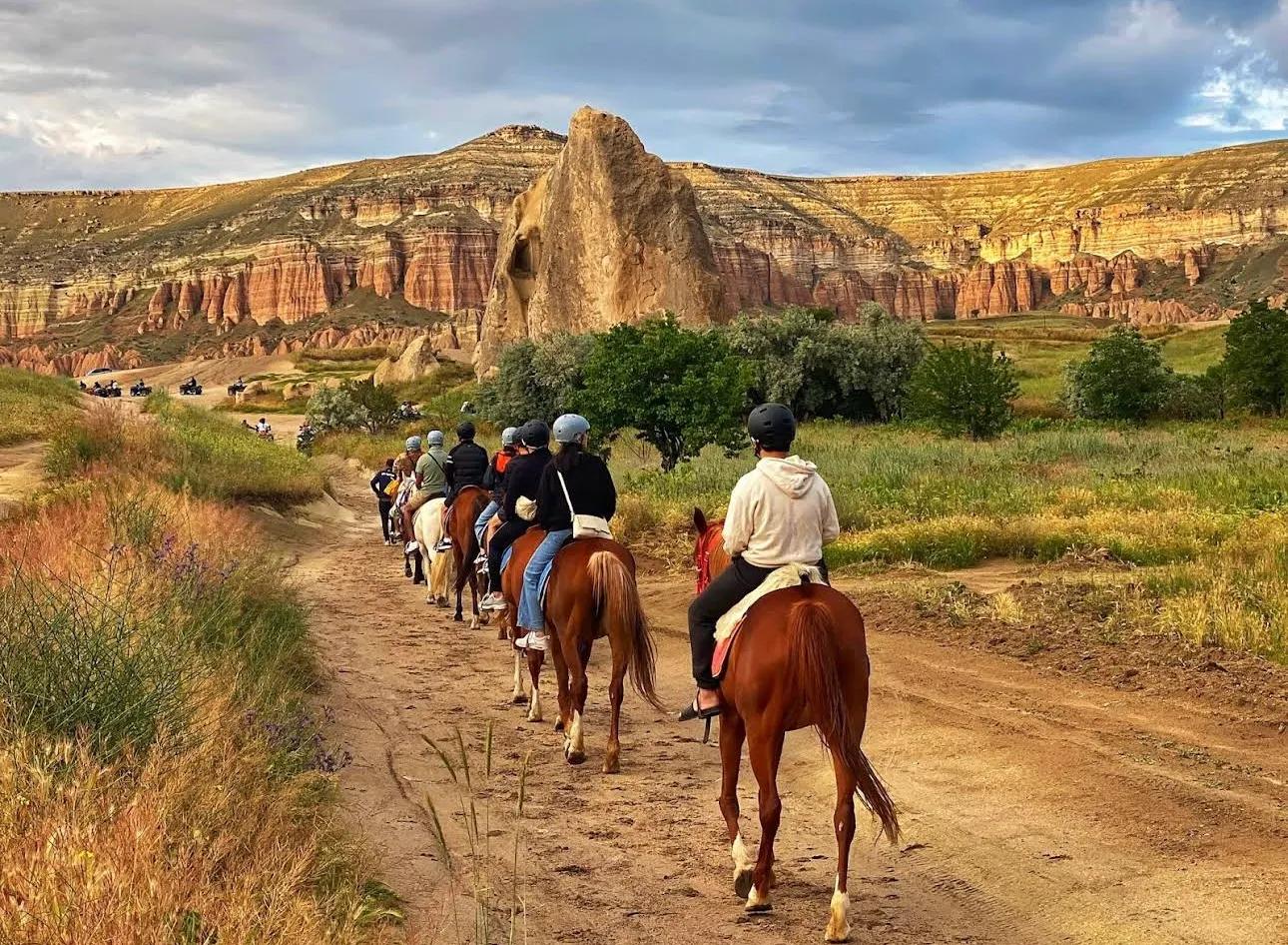
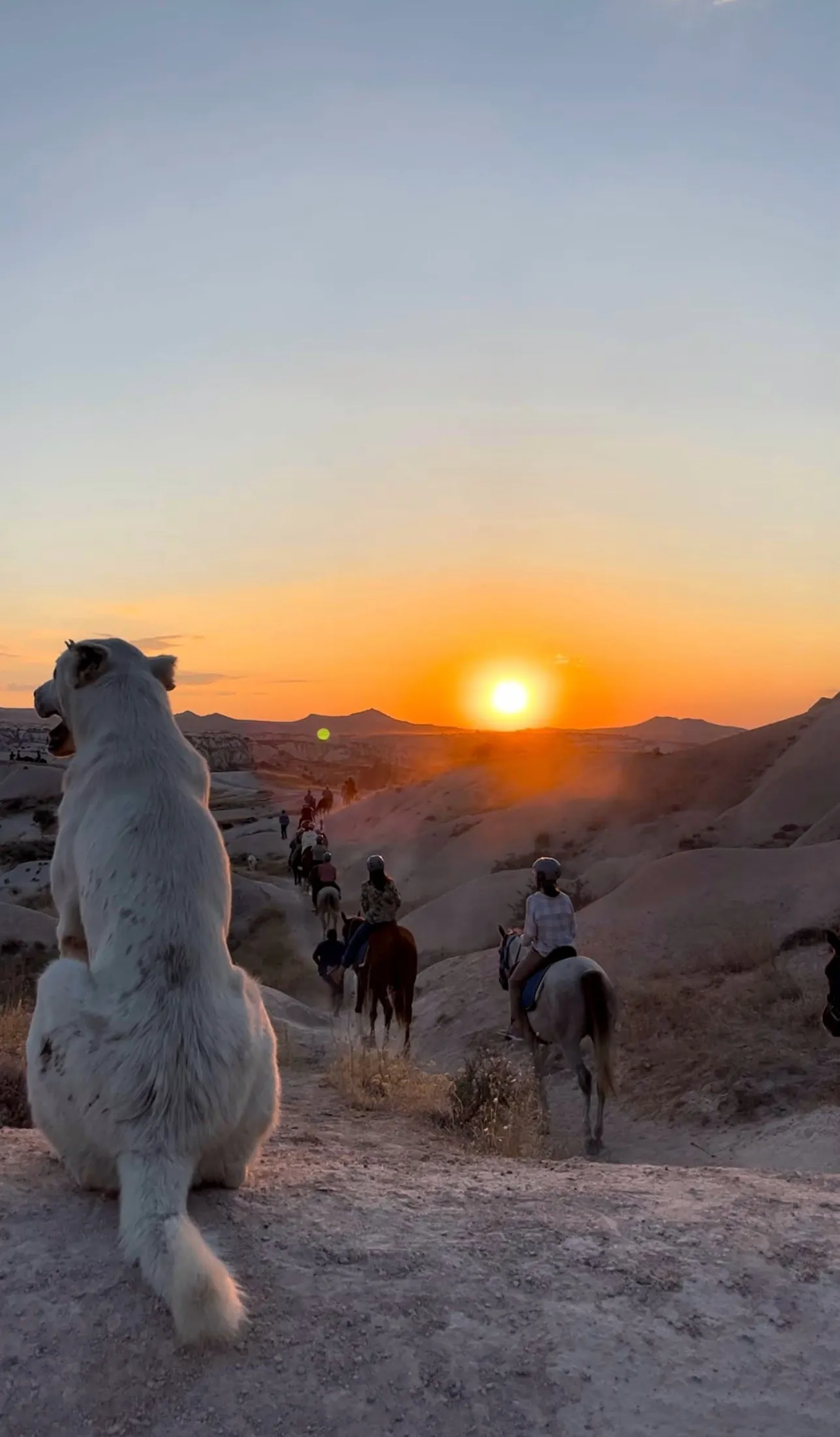
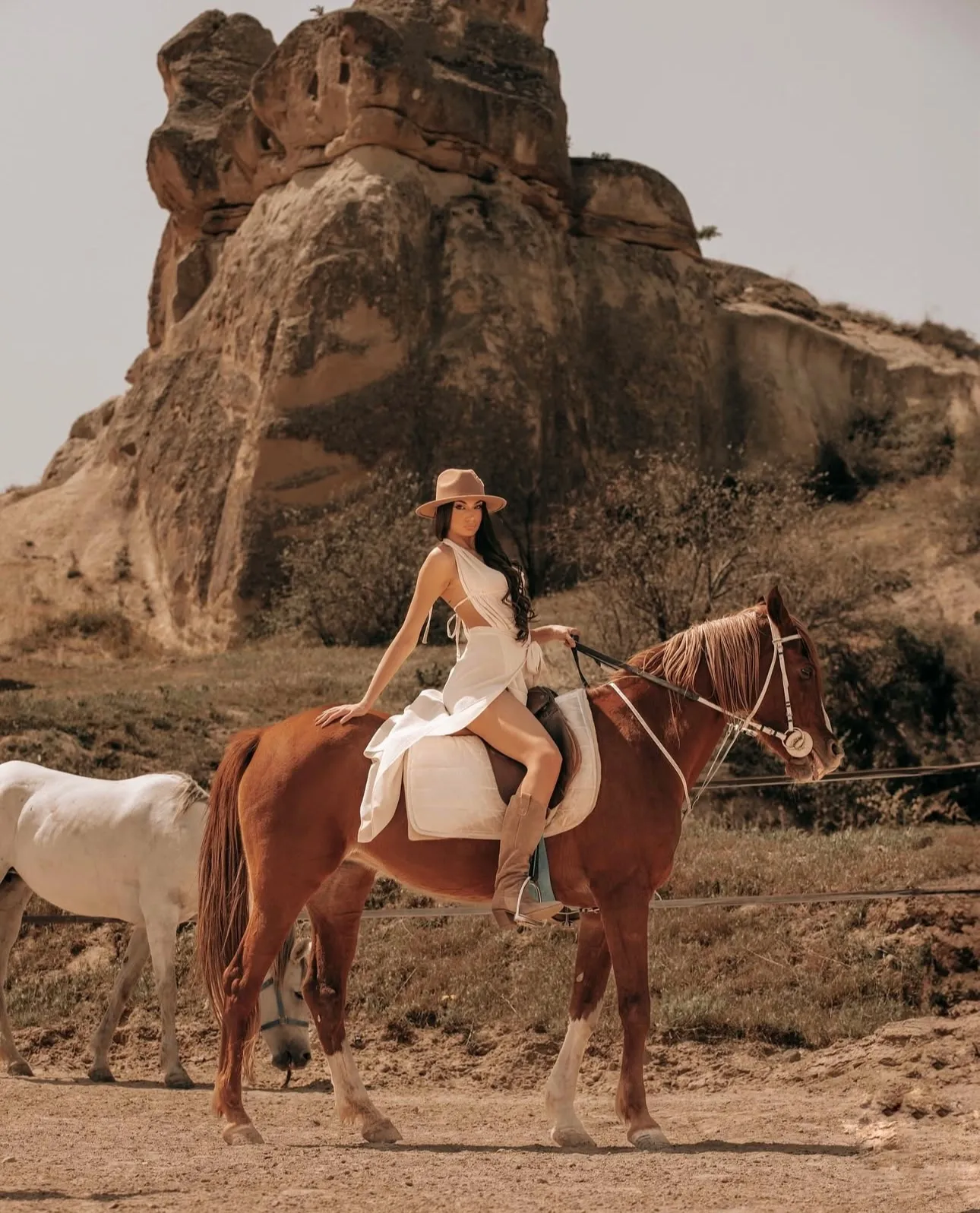
We're a family ranch in Çavuşin, and our family has known these valleys for five generations. Our horses are local Anatolian breeds, calm and sure-footed on Cappadocia's soft volcanic tuff, and each one is raised by us — the people guiding your ride are the people who look after the horses every day. We keep our groups small, every rider gets a helmet and a safety briefing, and a guide rides with you the whole way. You can read more about us on our ranch page.
How riders can help
Frequently asked questions
Is horse riding ethical?
It can be, depending on the stable. Look for horses in good condition with no sores, sensible group sizes, rest and water in the heat, and guides who match horses to riders.
How can I tell if horses are well treated?
Check their body condition, look for saddle sores or rubbing, watch how they move, and see whether they have water and shade between rides.
What questions should I ask a horse riding company?
Whether they own the horses, how many rides each horse does a day, whether there's a weight limit, how horses are matched to riders, and what they do in the summer heat.